Food-grade gases
Food-grade gases are essential in the food industry, as they guarantee the quality and safety of products.
Their main applications are:
Extended shelf life:
Delays the oxidation and deterioration of food, preventing the growth of microorganisms and extending its shelf life.
Preserves organoleptic properties.
Maintains the flavour, aroma and texture of food, preventing nutrient loss and the appearance of off-flavours.
Minimises the use of additives and preservatives.
Allows the amount of additives and preservatives in food to be reduced, guaranteeing its safety and quality.
Slows the growth of bacteria and fungi.
Prevents the proliferation of pathogenic microorganisms and reduces the risk of cross-contamination in food.
Prevents rancidity.
Protects food from oxidation and rancidity, maintaining its freshness and original flavour.
Improves the management of raw material stocks.
By extending shelf life, it makes inventory control and planning easier.
Avoids overtime and work peaks during periods of maximum demand.
Optimises production by allowing work to be done in advance, even in times of high demand.
Allows distribution areas to be expanded.
Products preserved with food-grade gases can be transported over greater distances without losing quality.
Prevents the release and mixing of odours.
Keeps aromas inside the product, improving its presentation and perception.
Allows diversification of retail displays with little infrastructure.
Extends the variety of products available, even in small shops or those with limited refrigeration capacity.
Find out more about the applications of food-grade gases for each type of product.
Next to each group you will find a link to an informative PDF.
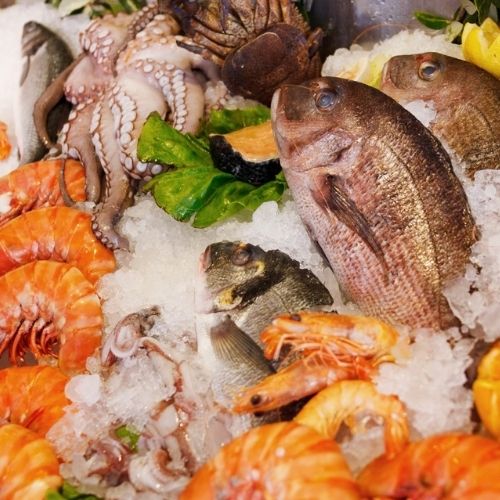
FISH
The use of food-grade gases in the preservation of fish and seafood keeps them fresh and high in quality for longer, preventing the growth of bacteria and the oxidation of fats.
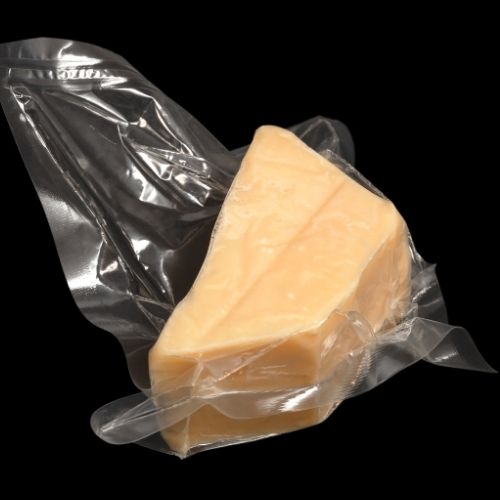
DAIRY
Food-grade gases are essential in the preservation of dairy products, as they delay oxidation and deterioration, preventing the growth of microorganisms and extending shelf life.
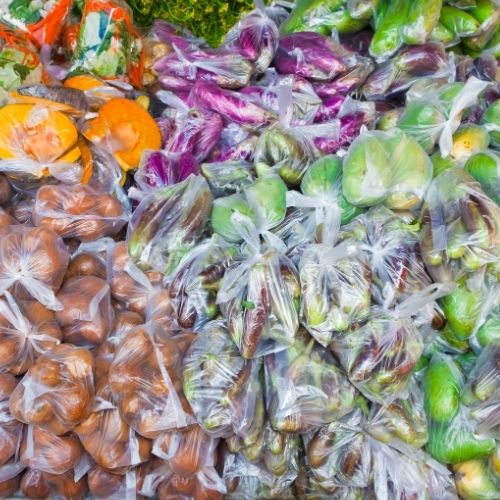
FRUIT AND VEGETABLES
Food-grade gases are essential in the preservation of fruit and vegetables, as they delay oxidation and deterioration, preventing the growth of microorganisms and extending shelf life.
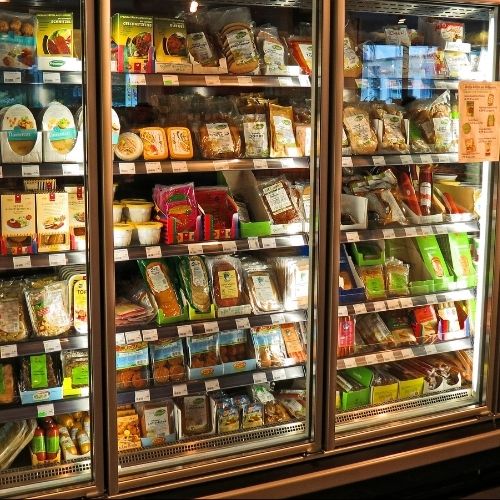
READY MEALS
The use of food-grade gases in the preservation of ready meals keeps them fresh and high in quality for longer, preventing the growth of bacteria and the oxidation of fats.