Argon
Argon is a colourless, odourless and tasteless noble gas, characterised by its chemical and physical stability. It is inert under normal conditions, non-toxic and non-flammable, but it can cause asphyxiation by displacing oxygen. It is obtained industrially by fractional distillation of liquid air and is supplied in gaseous or liquid form.
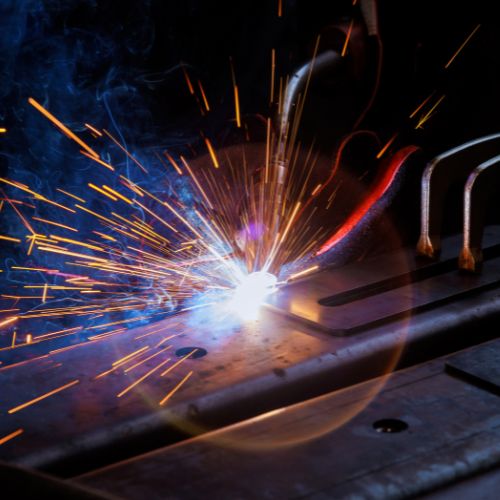
Welding and metalworking:
- Protective atmosphere in furnaces and processes for obtaining alloys such as titanium.
- Shielding gas in MIG-MAG, TIG, plasma and laser welding processes.
- Decarburisation of stainless steels (AOD process).
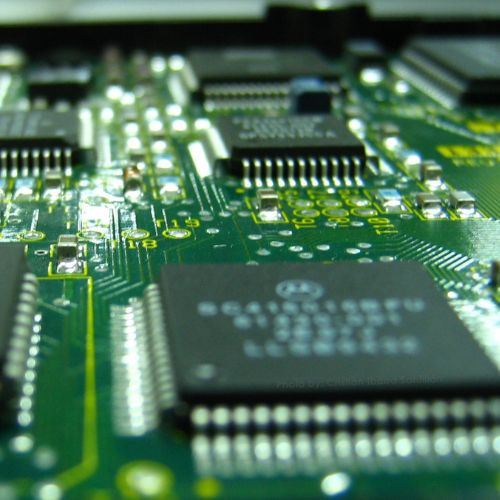
Electronics industry:
- Manufacture of semiconductors and circuits.
- Forming of tungsten carbides.
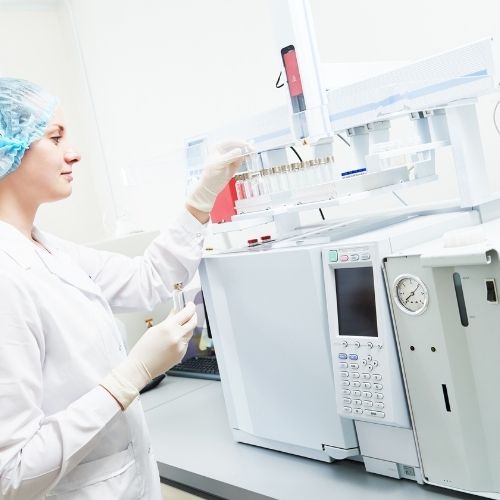
Laboratory and analysis:
- Emission spectrometry (ES).
- Gas chromatography (GC).
- Inductively coupled plasma (ICP) and differential thermal analysis.
- Atomic absorption with graphite furnace.
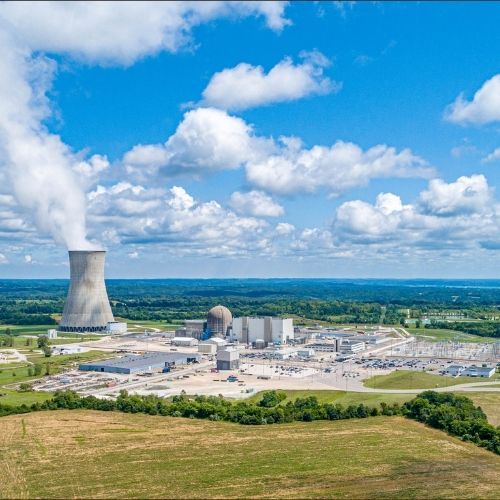
Energy and safety:
- Nuclear plants (liquid sodium reactors).
- Explosives detection.

Other applications:
- Filling of lamps.
- Arc or spark atomic emission.
See the official data sheet produced by Carburos Metalicos with the characteristics and applications of argon.